Did Britain Lose America Because It Sent the Wrong Men to the Wrong Places?
The British Allocation Problem: How an Empire Lost America While Defending Everything Else
The Beginning
Britain looked powerful on paper in 1775. It had the world's best navy, a professional army, a global network of bases, and the financial credit to borrow whatever it needed. The American rebellion, by contrast, had no navy, no treasury, no professional officer corps, and an army that melted away every winter. On paper, the outcome was never in doubt.
But wars aren't fought on paper. They're fought in specific places at specific times by specific people with the resources that happen to be where they're needed, not the resources that exist somewhere else. Britain's problem in the American Revolution was never that it lacked soldiers, ships, or money in any absolute sense. Its problem was that it could never get enough of them to the decisive point at the decisive moment, because the empire had too many decisive points at once.
Was the British loss mainly an allocation-of-forces and leadership issue? The answer is yes, but not in the simple sense that Britain forgot to send enough redcoats or picked clowns to run the war. The real problem was that Britain never settled the strategic question. Was America the main theater, or was America only one exposed flank of a global empire? Before France entered the war, Britain probably needed a ruthless concentration of force against Washington's army and the Hudson corridor. After France entered, Britain had to defend the empire, especially the Caribbean, Gibraltar, India, and the sea lanes. Instead, British policy kept drifting between continental conquest, port occupation, Loyalist mobilization, naval blockade, and global imperial defense. That's how you get tactical wins that don't add up to victory.
The Wrong Question
"Why didn't Britain just crush the rebellion?" is the wrong question. It assumes Britain could treat America as an isolated problem, which it could only do for about two years, from the fighting at Lexington in April 1775 to the French alliance in February 1778. For the remaining five years of the war, Britain fought a global conflict with France, Spain, and the Dutch Republic while simultaneously trying to subdue an American rebellion that was receiving French money, weapons, troops, and naval support.
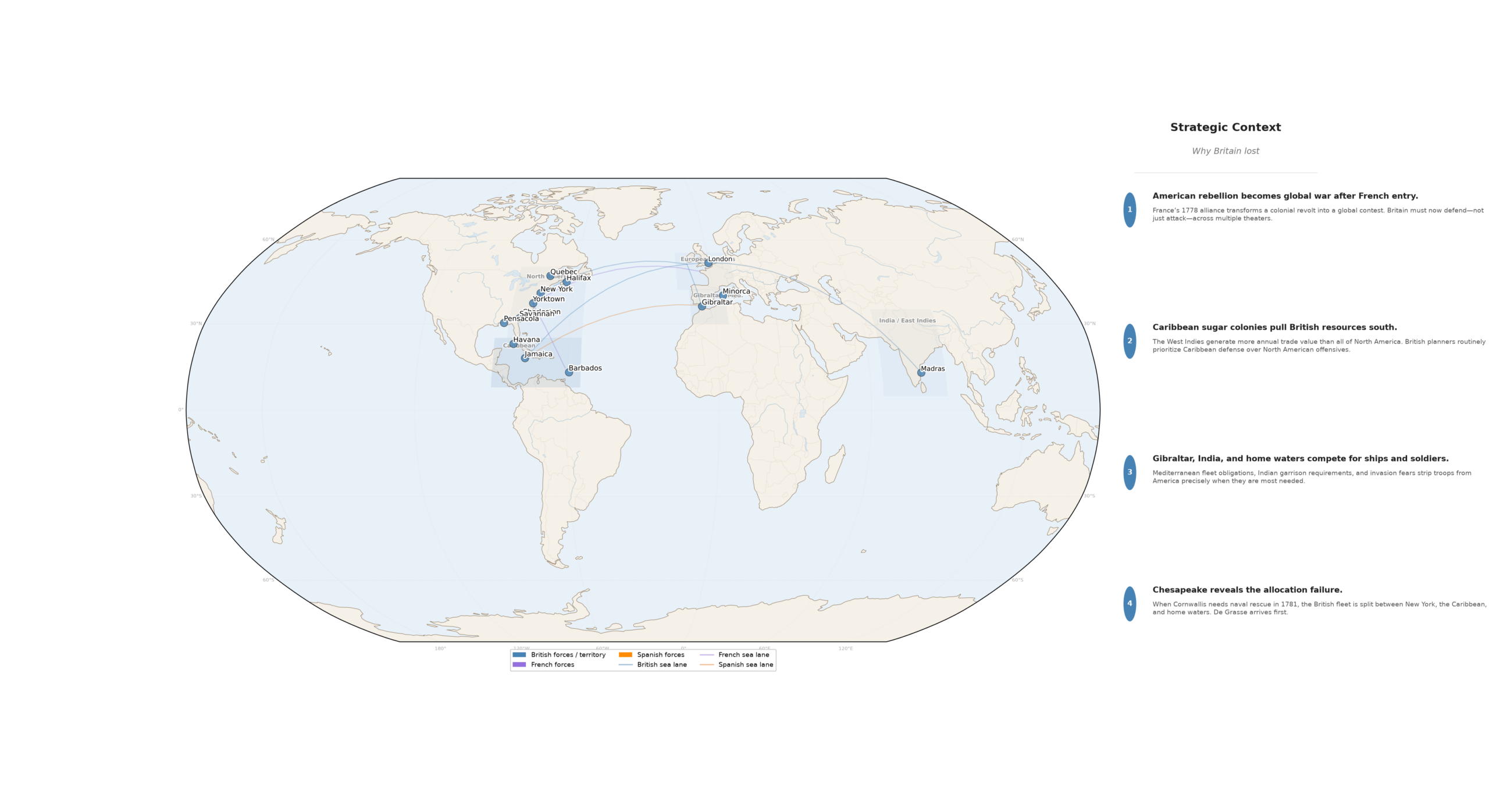
The better question is: what was Britain trying to optimize after 1778? If the answer was "suppress the American rebellion," then Britain should have concentrated every available soldier and ship in North America and accepted the losses elsewhere. But the British government never made that choice, because it couldn’t afford to. The Caribbean sugar islands generated wealth that dwarfed the North American trade. Gibraltar was a matter of national prestige and naval strategy. India was the future of the empire. Home defense was non-negotiable. Britain was trying to fight a nine-front war with a three-front army and navy.
The question isn't why Britain lost. The question is whether any allocation of its available resources could have produced a different outcome, given the political constraints it operated under.
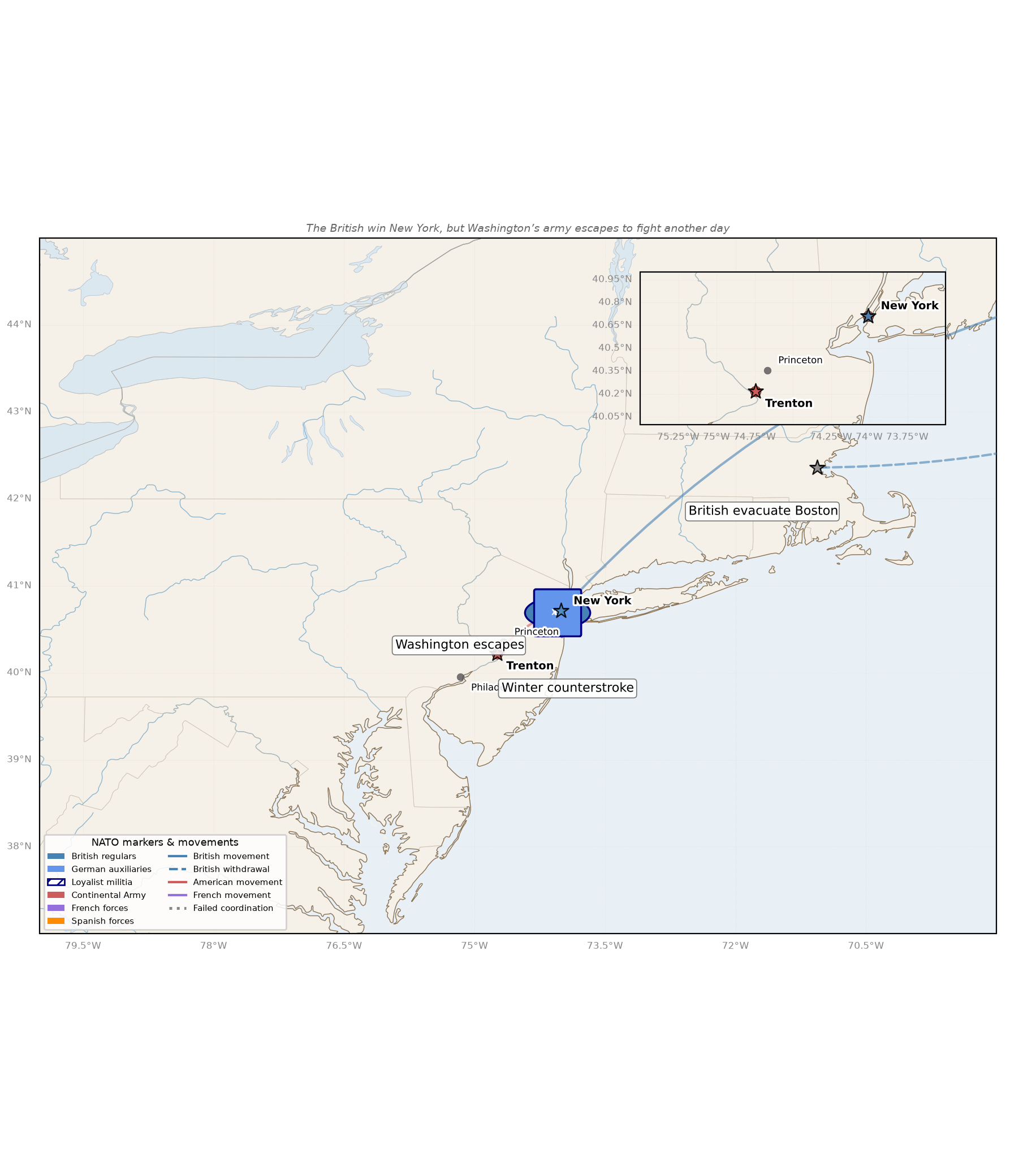
Campaign 1775-1776.
Britain's Early Chance, 1776–1777
The first two years of the war were Britain's best window for a decisive military victory. The Continental Army was poorly trained, poorly supplied, and poorly led by any European standard. Washington was learning on the job. The rebellion had no foreign allies, no naval capability, and no centralized government that could reliably raise troops or money.
The 1776 New York campaign was Britain's best chance to end the war. By mid-August 1776, Howe commanded more than 31,000 British, German, and supporting troops around New York, backed by a fleet that included ships-of-the-line, frigates, hundreds of other vessels, and thousands of sailors. He drove Washington off Long Island, out of New York, and across New Jersey in a series of well-executed operations. But he didn’t destroy Washington's army. The escape across the East River on the night of August 29-30, in a brilliant evacuation conducted under cover of fog, was the first of several times Washington would slip away from what should have been a fatal trap.
Why didn't Howe pursue more aggressively? The standard answer is that Howe was too cautious, too comfortable, too sympathetic to the Americans. There's some truth to it, but the more important factor is that eighteenth-century armies could not move fast enough to catch an enemy determined to retreat. Roads were terrible. Supply lines were fragile. Cavalry was scarce in America, and what existed was used for reconnaissance, not pursuit. Howe had won a battle, but winning a battle and destroying an army were two different things in an era without mechanized pursuit.
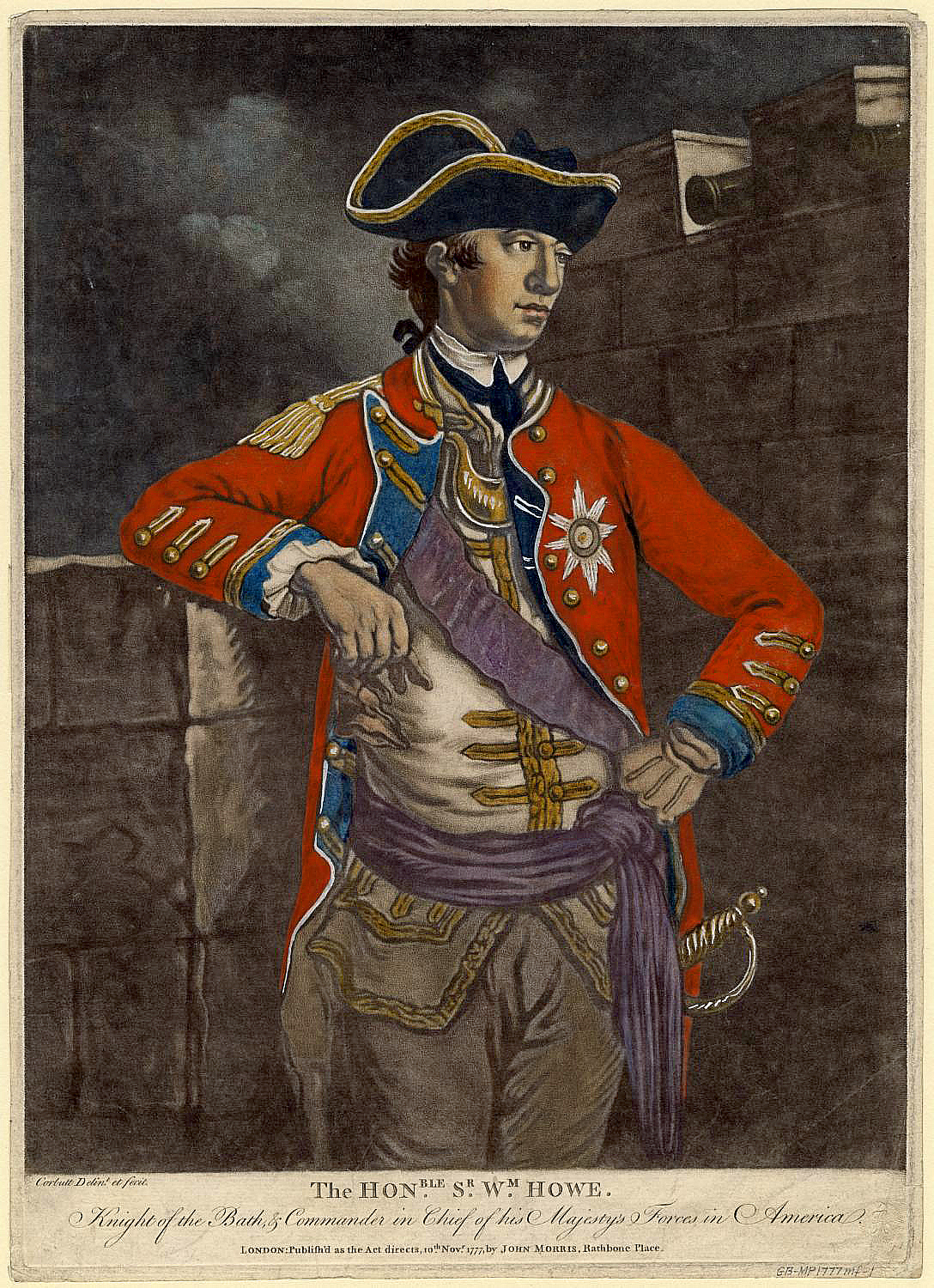
William Howe, Commander-in-Chief in North America, 1775-1778. A capable battlefield commander who kept winning ground without destroying the army that mattered.
William Howe: the man who won ground but not the war
William Howe is easy to caricature because his failures are so visible. He wins New York and lets Washington escape. He takes Philadelphia while Burgoyne is left isolated in the interior. But Howe was not a fool, and that’s what makes him useful to this argument. He was a battlefield professional shaped by European assumptions about war, where taking cities, ports, and political centers usually meant something concrete. In America, that logic kept betraying him. The rebellion didn’t live in Philadelphia the way a normal government lived in a capital. It lived in Washington's army, in local committees, in militia networks, and in the fact that Britain could occupy a city without controlling the countryside beyond musket range.
Howe's caution after New York also made more sense to him than it does to us looking backward. He had crossed an ocean with an expensive army, fought in broken terrain, and knew that losing a British army in America would be catastrophic. His instinct was to maneuver, pressure, occupy, and negotiate from strength. That wasn’t cowardice. It was a very eighteenth-century way of making war. The problem was that Washington did not need to win by eighteenth-century rules. He only needed to keep the Continental Army alive long enough for Britain's political will and global bandwidth to crack.
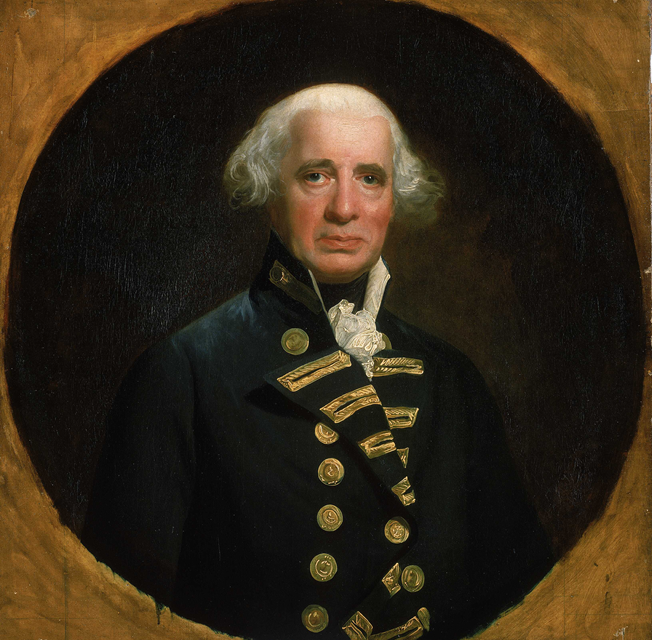
Richard Howe, Admiral / joint commissioner for peace, 1776-1778. Managed the naval side of the New York campaign but shared his brother's strategic assumptions about conciliation and limited war.
Still, Howe's decision in 1777 to take Philadelphia instead of cooperating with Burgoyne's advance from Canada was the single worst allocation choice of the war. It wasn't that Philadelphia was unimportant, it was the rebel capital, and capturing it had political value. But America had no single city whose loss ended the rebellion. The government could move. Congress fled Philadelphia and continued functioning. The Continental Army wintered at Valley Forge and survived.
The Howe brothers were both pursuing a vision of the war that blended military pressure with negotiated settlement. Richard Howe had been appointed a peace commissioner alongside his military command. The brothers believed that a show of strength; taking New York, then Philadelphia, would convince the Americans to negotiate. That assumption was wrong, but it wasn’t irrational given how eighteenth-century conflicts usually ended. The trouble was that the rebellion was not a conventional war between states. It was a political insurgency wrapped in a war of independence, and the Howes' conciliatory approach kept leaving the main enemy army intact while occupying real estate that turned out to have no strategic value.
Meanwhile, Burgoyne's army was advancing south from Canada in the expectation that Howe would meet him at Albany, splitting New England from the rest of the colonies. Howe went to Philadelphia instead. The result was the destruction of Burgoyne's army at Saratoga, the single most consequential British defeat of the war.
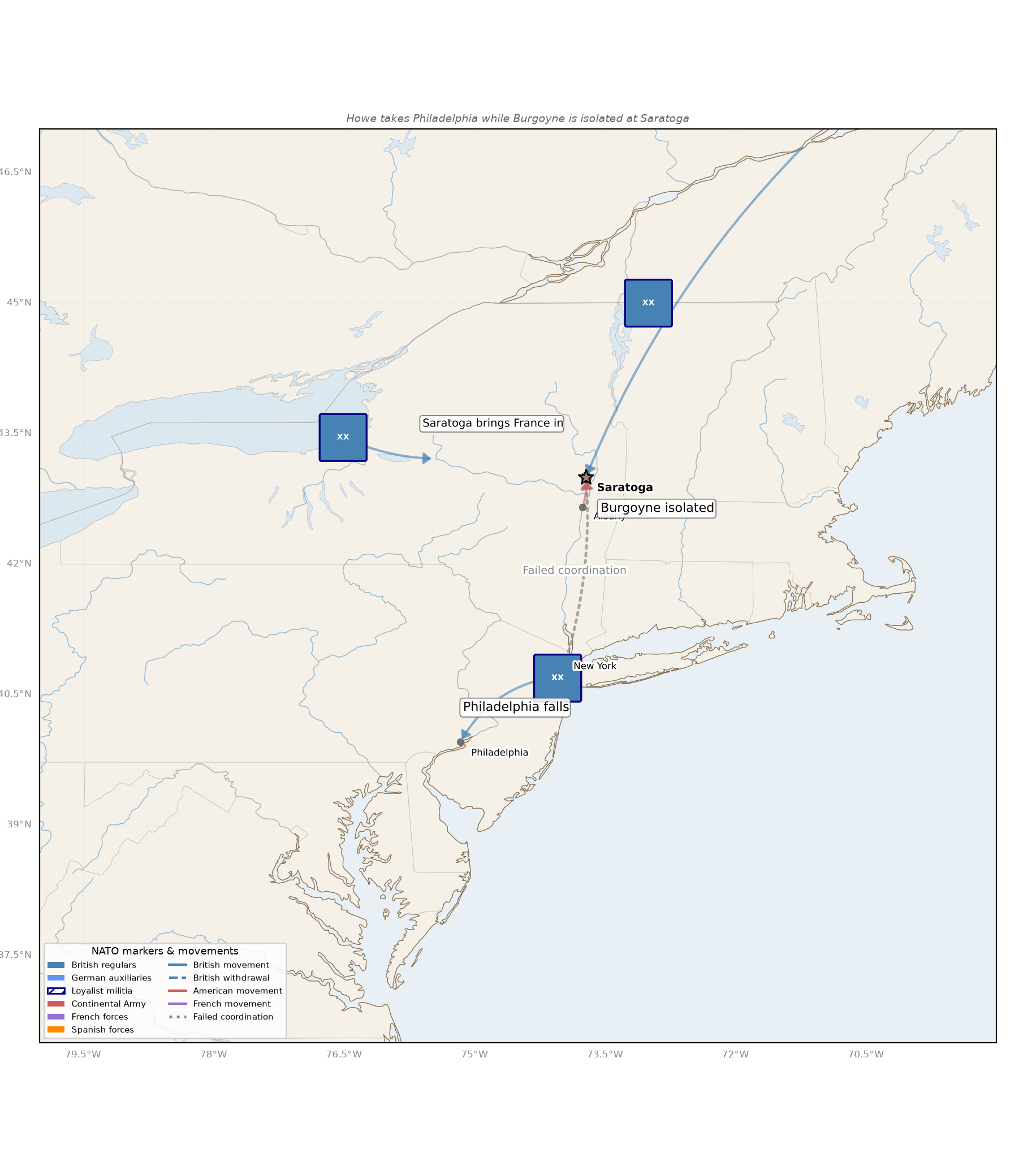
Saratoga as the Allocation Alarm Bell
Saratoga was the turning point of the war, and the pivot of the allocation argument. Burgoyne's campaign was not inherently doomed. He had about 8,000 men, including British regulars and German auxiliaries. He had artillery, a plan, and reasonable expectation of support. What he didn’t have was Howe.
The Saratoga campaign was a coordination failure more than a command failure. Burgoyne made mistakes; overconfidence, he underestimated American fighting capability, he pushed too far into difficult terrain while his supply line stretched thin. But the fundamental problem was that the British command system in America had no mechanism for ensuring that simultaneous operations would actually be simultaneous. Germain in London approved both Howe's Philadelphia plan and Burgoyne's Hudson plan without verifying that they could be executed in concert. Howe was technically not subordinate to Burgoyne or vice versa. Each commander operated in his own theater with his own assumptions about what the other would do.
The result was Burgoyne's remaining army, roughly six thousand men by most battlefield counts, surrendered at Saratoga on October 17, 1777. The strategic effect was out of all proportion to the number of men lost. France, which had been waiting for evidence that the Americans could win, now had it. The French alliance, signed in February 1778, brought France into the war on the American side. Spain joined in 1779. The Dutch Republic was dragged in by 1780.
Britain did not merely lose a campaign at Saratoga. It lost control over the scale of the war. The U.S. Army Saratoga staff ride handbook frames Saratoga as a British army being trapped, surrendering, and "triggering international recognition and French military assistance." That is exactly right. Before Saratoga, Britain could treat America as a colonial rebellion. After Saratoga, America was one front in a global war.
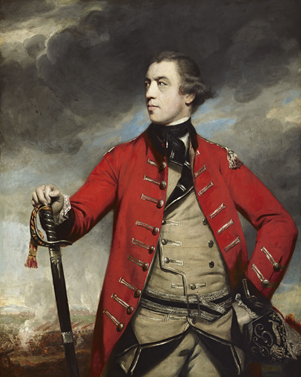
John Burgoyne, Commander of the Northern Army, 1777. A dramatic field commander whose confidence outran his logistics.
John Burgoyne: the playwright general in the wilderness
Gentleman Johnny Burgoyne had the kind of personality that history loves and logistics punishes. He was dramatic, confident, socially polished, and convinced that a bold march from Canada could split New England from the rest of the rebellion. On paper, the plan had logic: a British force descending the Hudson, another force moving out of New York, and a supporting thrust through the Mohawk Valley could have created a real crisis for the Americans. But Burgoyne's plan depended on timing, roads, supplies, local support, and coordination with commanders who were not actually under his hand.
Burgoyne's mistake was not that he imagined a northern campaign. His mistake was that he treated movement on a map as if it were movement through actual country. Every mile south from Canada lengthened his supply line and narrowed his options. Every American militia concentration made his army less an invading force and more a column dragging itself into a trap. Saratoga was not just Burgoyne's personal failure. It was the moment when British strategy revealed that it could draw arrows faster than it could move armies.
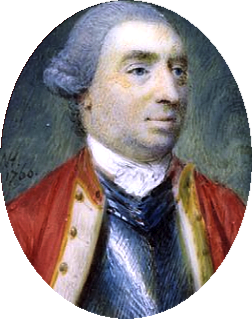
George Germain, Secretary of State for the American Department, 1775-1782. The London strategist who approved moving parts without making them mesh.
George Germain: the man trying to run a continental war by mail
George Germain is one of the most important men in the story because he sits at the hinge between leadership and allocation. He wasn’t commanding troops in the field, but his office was where plans, personalities, assumptions, and imperial politics were supposed to become strategy. The trouble was that London could approve operations faster than America could execute them, and the Atlantic turned every instruction into a message from the past. By the time orders arrived, the local situation had often changed.
Germain's deeper failure was coordination. He could approve Howe's move against Philadelphia and Burgoyne's move down the Hudson, but approval was not the same thing as synchronization. He was trying to run a war across thousands of miles with partial information, proud commanders, slow communications, and a political leadership that still wanted victory without admitting what victory would cost. Germain's decisions look worse because they failed, but the more serious point is that the British system gave him responsibility without giving him a realistic mechanism to force operational unity.
1778 Dissolution
The French alliance fundamentally changed the British allocation problem. Before 1778, Britain's strategic math was roughly: defeat the Continental Army, hold the ports, let Loyalists reassert control. After 1778, the math became: defend the West Indies, hold Gibraltar, protect the Channel, keep India secure, maintain the blockade of America, and try not to lose New York.
The Caribbean deserves special attention here, because it explains a lot about British decision-making that looks inexplicable if you only watch the North American map. The British Caribbean colonies: Jamaica, Barbados, the Leeward Islands, were immensely valuable. The British West Indies were among the empire's most valuable possessions. By the 1770s, West Indian planters exported sugar and rum worth nearly £4 million, while exports from the Chesapeake, the richest mainland colonial region, came to just over £1 million. The Fort Ticonderoga exhibit on the Caribbean role in the Revolution notes that "the wealth of Britain's Caribbean holdings could exceed the value of North American objectives in British imperial logic." When French and Spanish forces threatened the Caribbean, British commanders in North America were ordered to send troops and ships south. This was not unreasonable, it was imperial priority-setting. But it meant that the North American theater was permanently under-resourced after 1778.
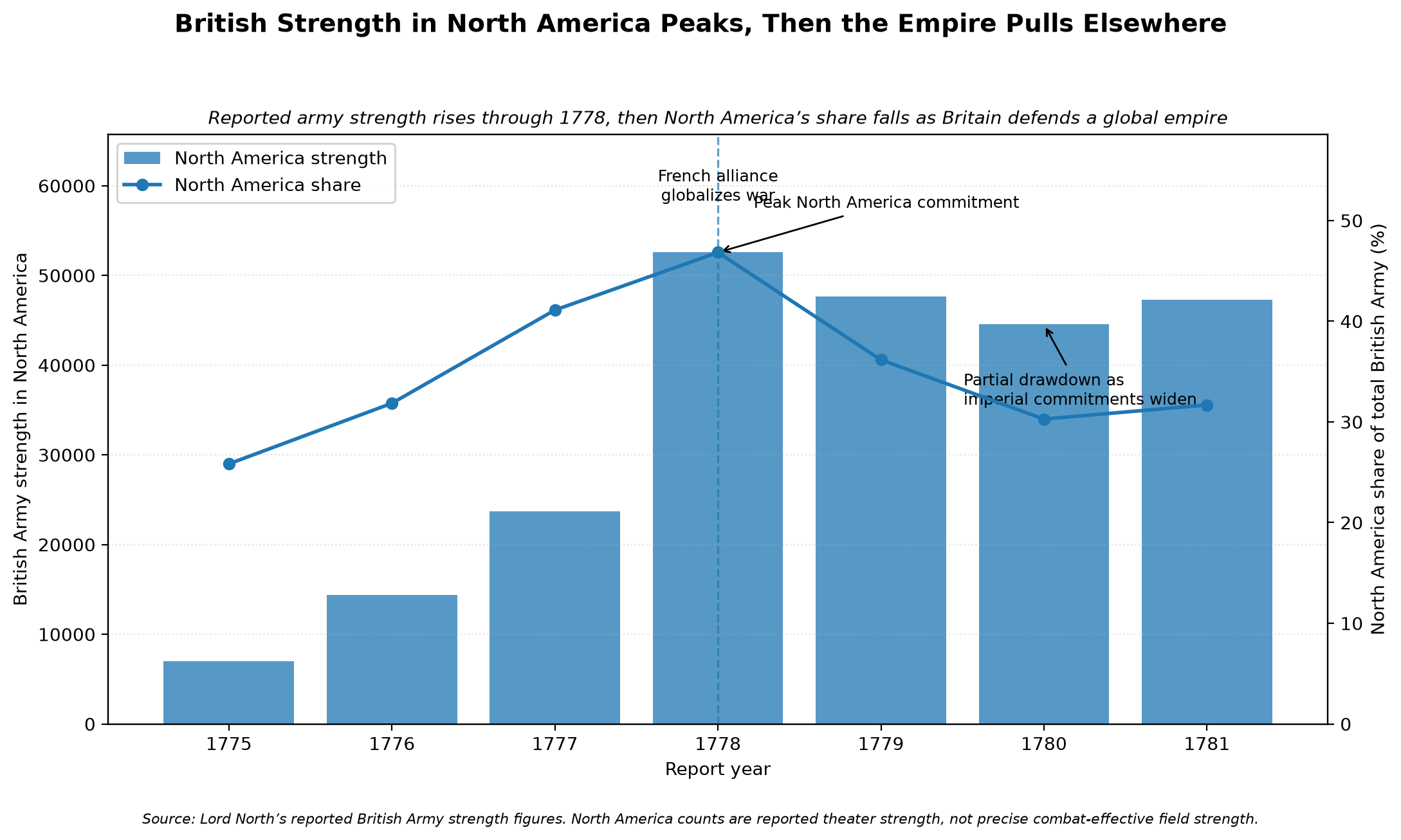
The numbers tell the story, but only if we separate reported strength from effective strength. Lord North's army returns show reported British Army strength in North America peaking at 52,561 in October 1778. Effective combat strength was considerably lower once sickness, desertion, detachments, garrison duties, and logistical friction are discounted. That distinction matters. Britain had a large reported theater presence, but far fewer troops were available for decisive field operations at the moment they were needed.
Clinton's Strategic Bind
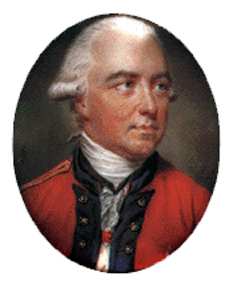
Henry Clinton, Commander-in-Chief in North America, 1778-1782. An intelligent, defensive commander who saw the trap but could not escape it.
Henry Clinton: the commander who saw the trap and still couldn't escape it
Henry Clinton is the most sympathetic British commander in the story, which does not mean he was the most effective. He understood that New York mattered because it was Britain's anchor in North America. He also understood that French naval power made every offensive operation dangerous. A commander who stripped New York to chase victory elsewhere might return to find the main British base gone. A commander who stayed in New York could look useless while the rebellion survived around him.
That made Clinton cautious, irritable, and defensive, but not necessarily wrong. His caution came from seeing the whole imperial board, or at least more of it than Cornwallis did. The trouble was that caution does not command an empire any better than recklessness does. Clinton could identify the risk, but he could not make London, the navy, Cornwallis, Loyalist politics, and French intervention obey one coherent plan. He became the man responsible for a strategy he didn’t fully control.
Henry Clinton replaced Howe as commander-in-chief in North America in May 1778. Clinton understood the allocation problem better than any British commander in America. He saw that the war had changed after the French alliance, and he adjusted his strategy accordingly, which made him cautious, frustrating, and frequently at odds with his subordinates and his government.
Clinton's fundamental problem was that he had to defend New York, the main British base in North America, while simultaneously conducting offensive operations elsewhere. The French fleet could appear off New York at any time. If Clinton stripped New York of troops for a southern campaign, he risked losing the base. If he kept all his troops in New York, he risked doing nothing to suppress the rebellion.
The Cowpens staff ride handbook notes that "French and Spanish entry changed the struggle" and that "British commanders failed to fully reevaluate strategy." Clinton did reevaluate, but his reevaluation led him to caution, and caution looked like paralysis to more aggressive commanders like Cornwallis. Clinton lost thousands of troops to imperial demands elsewhere. NPS summarizes the Caribbean diversion as more than 5,000 troops, while the Cowpens staff ride gives the wider West Indies transfer as 8,000. Either way, the effect was the same: Clinton's ability to challenge Washington around New York and West Point was sharply reduced.
Clinton's relationship with Cornwallis was the second layer of the problem. After capturing Charleston in May 1780, Clinton returned to New York and left Cornwallis in command of the Southern theater. The two men had different strategic visions. Clinton wanted limited, secure operations in the South: holding ports, building Loyalist governments, avoiding deep inland campaigns. Cornwallis wanted aggressive pursuit of American forces, destruction of Greene's army, and expansion of British control. The command structure had no mechanism for resolving this disagreement, and London was too far away to mediate effectively. Messages took three months to cross the Atlantic. By the time Germain's instructions arrived, the situation on the ground had already changed.
Clinton thought in bases, naval exposure, and imperial risk. Cornwallis thought in offensive action and battlefield decision. Neither man was wrong in isolation, but the combination was toxic. Clinton saw Cornwallis as reckless, exposing the army to unnecessary danger beyond supporting distance. Cornwallis saw Clinton as timid, refusing to press advantages that might have turned the war. Both could point to evidence, and neither had the authority to force the other's hand. The British command system had no mechanism for resolving a fundamental strategic disagreement between the commander-in-chief and his senior subordinate, because nobody in London had designed such a mechanism. They assumed the men in America would sort it out. The colonists sorted it out for them.
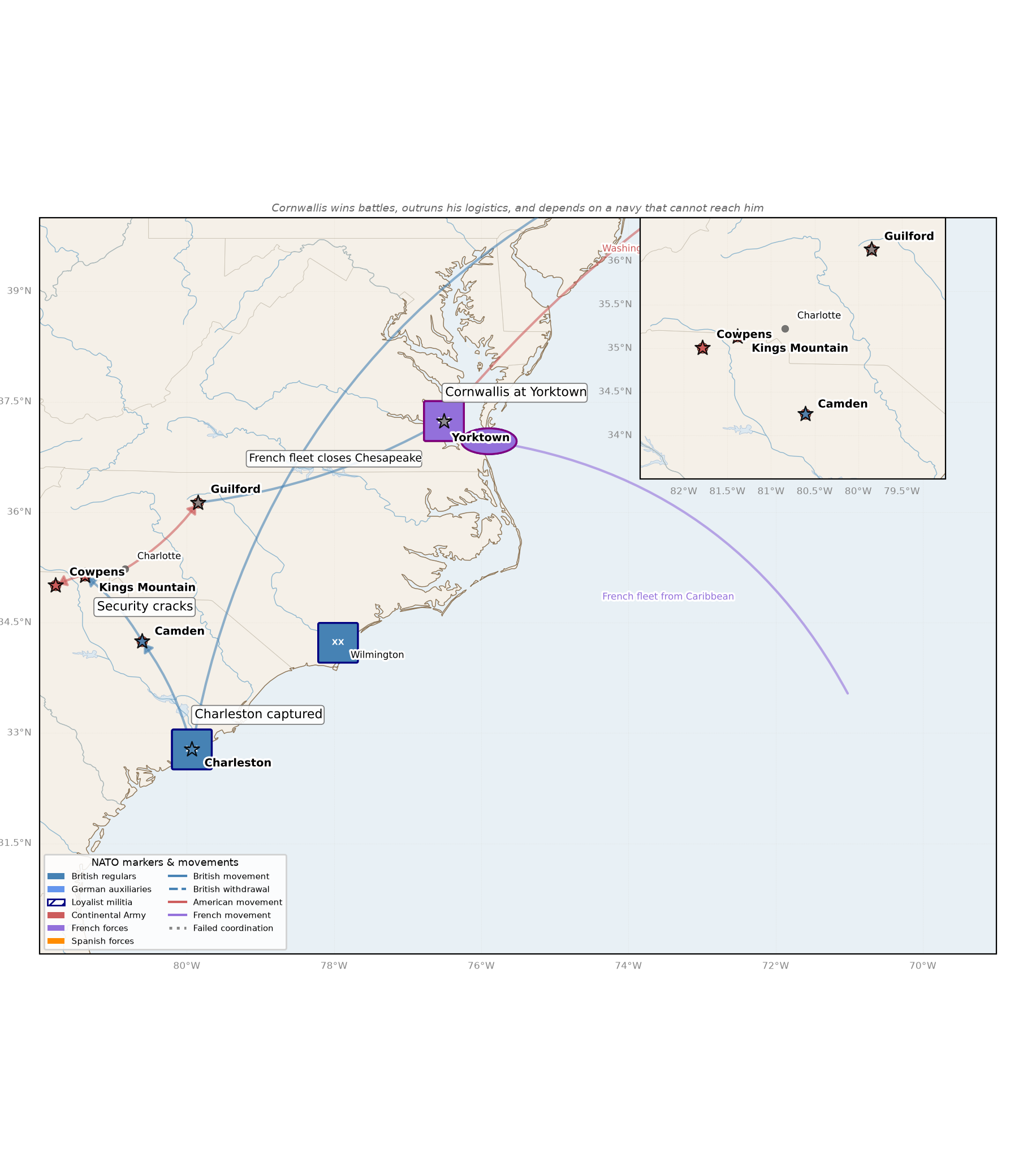
Cornwallis and the Southern Gamble
The Southern strategy wasn’t stupid. It was based on a reasonable premise: the South had a larger Loyalist population than New England, British control of the coast could support land operations, and if the Southern colonies could be pacified, the rebellion in the North would be strategically isolated.
The strategy failed because it was brittle. It depended on four things that Britain could not reliably deliver: Loyalist support, British mobility, local security, and naval control. Each of these dependencies failed at critical moments.
Loyalist support was always weaker than British planners assumed. The Kings Mountain battle, where a Patriot militia force destroyed a Loyalist detachment under Patrick Ferguson, showed that Loyalists could not protect themselves without British regulars nearby. After Kings Mountain, Loyalist recruitment in the South collapsed. The Cowpens battle, where Tarleton's British Legion was shattered by Daniel Morgan's force, showed that elite British units could be destroyed by American tactics in the right terrain. After Cowpens, Cornwallis lost his light troops and his ability to screen his movements.
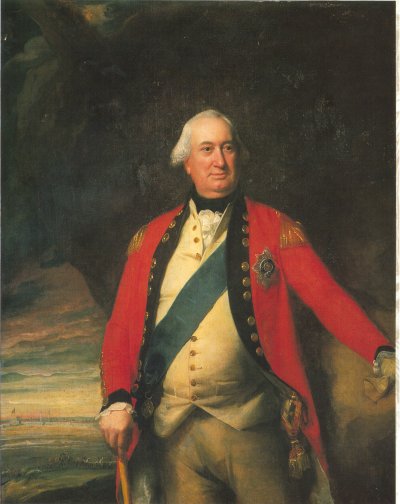
Charles Cornwallis, Commander of the Southern Army, 1780-1781. Brave, aggressive, aristocratic, and prone to solving political problems by marching at them.
Charles Cornwallis: the battlefield solution to a political problem
Cornwallis was everything Clinton was not: aggressive, direct, and willing to force a decision. That made him dangerous to the Americans and dangerous to the British strategy. In the South, he kept trying to turn a political war into a military one. Find the enemy, beat the enemy, scatter the enemy, move on. It was a soldier's instinct, and on several battlefields it worked. Camden, Guilford Court House, and the hard marching through the Carolinas all show a commander who could act while others hesitated.
But the Southern strategy didn’t need a raider with a noble title. It needed security, Loyalist protection, civil administration, and enough naval support to keep inland operations from turning into exposed gambles. Cornwallis could win fights and still make the British position worse. By the time he moved into Virginia, he had outrun the original purpose of the Southern campaign. He was no longer securing the Carolinas. He was looking for a decisive military result in a war where decisive military results kept dissolving into geography, politics, and naval timing.
Cornwallis's response to these setbacks was to become more aggressive. He defeated Greene at Guilford Court House in March 1781, but the victory was Pyrrhic; he lost about 25 percent of his army and was too weak to hold the field. Instead of consolidating in the Carolinas, he marched to Wilmington to resupply, then decided to march into Virginia.
This was the critical decision. Virginia wasn’t the political center of gravity of the Southern strategy, South Carolina and Georgia were. Cornwallis's march into Virginia abandoned the Southern strategy's original logic. He was now operating in a theater where British control was weakest, Loyalist support was minimal, and the naval situation was about to become the defining factor.
Yorktown as the Bill Coming Due
Yorktown was not Cornwallis having a bad week. It was the intersection of land allocation, naval allocation, command friction, and French operational timing, all the problems that had plagued British strategy since 1775, concentrated into one campaign.
De Grasse sailed from the West Indies with 37 ships, including 28 ships-of-the-line. Hood moved north with 14 ships-of-the-line and joined Graves in New York, where the combined British fleet sailed for the Chesapeake with 19 ships-of-the-line. After de Barras arrived, the French had 36 ships-of-the-line in the bay. The British had enough naval power somewhere in the empire, but not enough at the Chesapeake at the moment Cornwallis needed it.
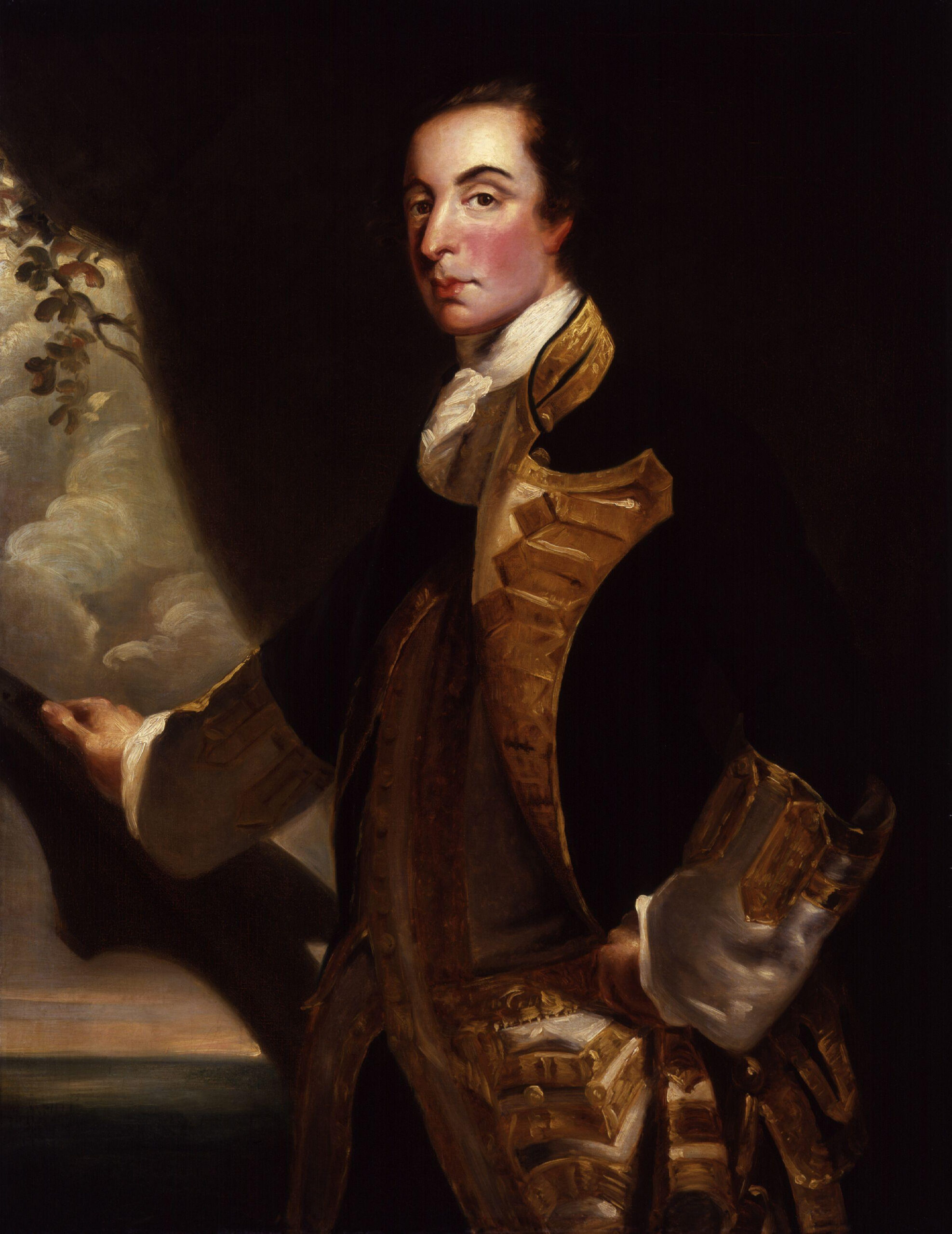
George Rodney, Commander-in-Chief, Leeward Islands Station, 1780-1782. Not negligent – a Caribbean commander trying to protect the wealthiest imperial theater.
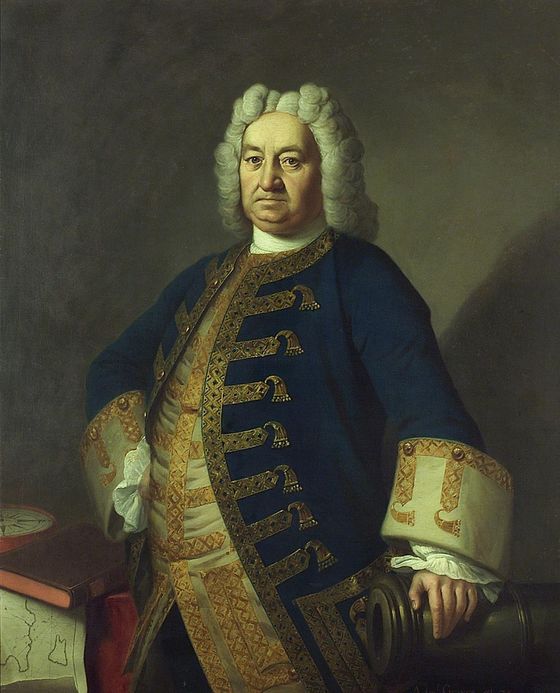
Thomas Graves, Commander, North American Station, 1781. The man who had to act fast at the Chesapeake and did not produce the result Cornwallis needed.
George Rodney and Thomas Graves: the naval allocation problem in two men
Rodney and Graves should not be treated as simple villains in the Yorktown story. Rodney's decision to keep strength in the Caribbean wasn’t irrational: the West Indies weren’t a sideshow to British planners. They were among the richest possessions in the empire, and losing them would have been a disaster in its own right. From Rodney's point of view, the Caribbean was not stealing ships from America. America was competing with the Caribbean for ships the empire needed everywhere.
Graves faced the sharper moment at the Chesapeake. Cornwallis needed naval control, not naval effort. A partial response wasn’t enough. The Battle of the Chesapeake turned Yorktown from a risky British position into a sealed trap. This is where the article's allocation argument becomes visible in one scene: Britain had ships, admirals, bases, and warning, but the fleet that Cornwallis needed was divided by global priorities. The navy did not fail because it was weak, it failed because the empire asked it to be in too many places at once.
On October 19, 1781, Cornwallis surrendered roughly 8,000 to 9,000 men, depending on whether the count includes sailors and attached personnel. It was the second British army lost in the war, and this time there was no recovery. On February 27, 1782, the House of Commons carried a motion against continuing offensive war in America. North resigned the following month. Peace negotiations began, and the Treaty of Paris in 1783 recognized American independence.
What Britain Should Have Done
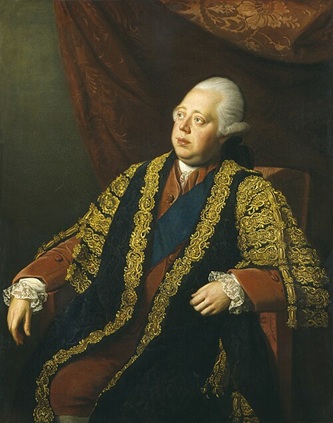
Lord North, Prime Minister, 1770-1782. The reluctant manager of a war he increasingly could not control.
Lord North: the reluctant political owner of the war
Lord North represented the political fog over the military problem. He wasn’t a battlefield commander, and he wasn’t a hard-driving imperial ideologue; he was a prime minister stuck owning a war that became harder to define every year. At first, the war was supposed to restore authority. Then it became a campaign to defeat Washington. Then it became a global imperial defense problem. The political objective kept changing shape, but the government never cleanly admitted that the old military plan no longer matched the new war.
North's weakness was not that he personally directed bad battlefield movements. His weakness was that he never imposed a clean strategic choice. Britain could try to reconquer America, or it could defend the empire and negotiate from strength, but trying to do both created the allocation trap. North's government kept feeding men, ships, money, and prestige into a war whose object was becoming less attainable after every new enemy entered the field.
North and Germain together represent the political-military disconnect at the heart of the allocation problem. North managed the cabinet, Parliament, and the king. Germain managed the war from a department that had authority on paper but no operational control over commanders three thousand miles away. Neither man could force the other to choose a clean strategy. North would not override Germain's military judgments, and Germain could not force North to impose political direction. The result was a war that drifted from one operational plan to the next without ever resolving what victory meant or what Britain was willing to pay for it.
Counterfactual history is a dangerous business. It's easy to claim Britain "should have just" done something, ignoring the very real constraints commanders faced. But if we're disciplined about it, if we admit that the counterfactuals are analytical tools, not predictions, we can use them to clarify where British strategy went wrong.
The scoring model used here evaluates six scenarios on feasibility, strategic effect, and political cost. None of them produce a sure British victory. But they do show where British strategy was asking one army and one navy to do mutually incompatible jobs.
First, before France entered the war, Britain should have concentrated on destroying Washington's army and controlling the Hudson corridor instead of treating city capture as strategic victory. Taking New York in 1776 was essential. Philadelphia in 1777 was a luxury Britain could not afford when Burgoyne was marching into a trap. A coordinated Hudson strategy that year had a reasonable chance of splitting New England from the rest of the colonies. Whether it would have ended the rebellion is debatable, the rebellion was political as much as military, but it was a cleaner strategic choice than the Philadelphia campaign.
Second, after Saratoga and the French alliance, Britain should have admitted the war had changed and either made a serious political settlement offer or reduced American ambitions while concentrating on imperial defense. The political cost of this option was enormous; George III would not accept it, and Parliament would have resisted, but the strategic logic was sound. Britain could not reconquer America while also defending the global empire. Trying to do both was a strategy for losing both.
Third, if Britain committed to the Southern strategy, it should have treated Loyalist security as the main effort and avoided deep operational lunges that depended on naval superiority Britain didn't always have. Cornwallis's aggression made sense on a battlefield, but the campaign needed political control, protected logistics, and local legitimacy, not just another red-coated tactical success. The Carolinas needed to be held, not just marched through.
The counterfactual model shows that the most achievable alternative was a stronger naval concentration at the Chesapeake in 1781. Rodney had warning that de Grasse was moving. A stronger British force at the Chesapeake might not have won a battle, but it would have denied de Grasse the uncontested control that made Yorktown possible. This was not a matter of British incompetence, it was a matter of allocation. Rodney was trying to protect the Caribbean and send ships north at the same time, and the Caribbean won.
The End
The British loss in the American Revolution was an allocation-of-forces and leadership issue, but not in the cartoon version where British generals were all idiots. The British commanders were, for the most part, competent professionals operating under constraints that were poorly understood in London and impossible to resolve in America. The problem was structural.
Britain was trying to fight a continental war in America, a naval war in the Atlantic, a colonial defense war in the Caribbean, a siege war in Gibraltar, a great-power war in European waters, and an imperial holding action in India – all with the same pool of ships, troops, money, and political attention. The leaders were not fools, but their decisions made sense inside narrow boxes that no longer matched the real war.
William Howe won battles but never destroyed the army he was sent to defeat. Henry Clinton understood the strategic problem but could not impose coherence on his subordinates. Charles Cornwallis was a superb tactical commander who fought the wrong operational war. George Germain managed a global war from London without the information systems or the political authority to coordinate it. Lord North became the reluctant political owner of a war whose costs kept growing, and his government never gave it the strategic direction it needed.
The British Empire had too many fires, too many proud men with partial authority, and no clean answer to whether America was the war or merely the loudest room in the burning house. That is why Britain lost. Not because the generals were stupid, but because the empire asked one military system to do nine jobs at once, and no military system can do that forever.
Sources
Primary sources used in this article:
- U.S. Army Center of Military History. Staff Ride Handbook for the Saratoga Campaign. Army University Press, 2021.
- Fort Ticonderoga. "The Caribbean" – Revolutionary Anthology.
- O'Shaughnessy, Andrew Jackson. The Men Who Lost America: British Leadership, the American Revolution, and the Fate of the Empire. 2013.
- Willcox, William B. "British Strategy in America, 1778." Journal of Modern History, 1947.
- Gruber, Ira D. The Howe Brothers and the American Revolution. 1972.
- Syrett, David. The Royal Navy in American Waters, 1775-1783. 1989.
- Wikipedia articles on the American Revolutionary War, British Army, campaign pages, and leader profiles (used for structure, dates, and initial references; claims cross-checked against military history and scholarly sources).